
I attended the 2026 NAACP National Convention in Chicago as an observer on behalf of the Bulloch County NAACP. This year, I was struck by how closely history and the present live as neighbors. What was yesterday feels like today.
Yesterday, while the convention was underway, attorney Ben Crump stood with the family of Nolan Xavier Wells in Chicago and held a press conference calling for justice after another tragic loss. Today (July 23), Governor J.B. Pritzker stood with Emmett Till's family at the church where his funeral was held in 1955 and proclaimed July 25 (his birthday) as Emmett Till Day in Illinois. These are stars in a constellation that draws a map from history to today that we cannot ignore.
Chicago, sometimes called "the other Mississippi" or the "Black Metropolis," is a reminder that the Great Migration brought millions of Black Americans north to seek opportunity while carrying the enduring struggle against discrimination and violence. Yet here is a Mississippi family contending with the questionable way their son died, with few answers, living in grief like the families of Emmett Till, Medgar Evers, and many others. For these families, time will not erase their grief.
I was struck listening to Medgar Evers' daughter speak about her father's tenderness as he left for work on the day he was assassinated. She recalled the ordinary moments of that morning. History suddenly became intensely personal.
She quoted her mother, Myrlie Evers-Williams: "You can kill a man, but you can't kill an idea."
Those words endure because they are still true.
That thought led me in another direction. I found myself reading the Library of Congress collection of interviews with formerly enslaved Americans conducted during the 1930s through the Works Progress Administration. I read several firsthand interviews conducted in southeast Georgia. Reading those accounts reminded me that living memory leaves a wider footprint than we often realize. The past remains present in the questions we are still trying to answer.
Today we face a different but equally important challenge.
How do we inspire young people to vote when confidence in so many institutions has eroded? How do we convince them that civic participation still matters when they question whether their voices make a difference and what their future holds?
These are valid questions. They may also be among the defining questions of their generation. Our economic well-being, our health, our educational opportunities, and the vitality of our communities all depend upon an engaged citizenry. How do we prepare the next generation for the work ahead?
We have to meet young people—and anyone, for that matter—where they are and listen. We have an opportunity to recruit and develop new leaders, strengthen civic education, help people understand and assert their rights, and build and strengthen institutions worthy of their trust. We must continue building coalitions across neighborhoods, counties, and states to protect free and fair elections and strengthen the institutions that make self-government possible.
We are writing the next chapter now. Our responsibility is to ensure that the next generation inherits not only the rights secured by those who came before us, but also the determination to protect and strengthen them.
I attended the 2026 NAACP National Convention in Chicago as an observer on behalf of the Bulloch County NAACP. This year, I was struck by how closely history and the present live as neighbors. What was yesterday feels like today.
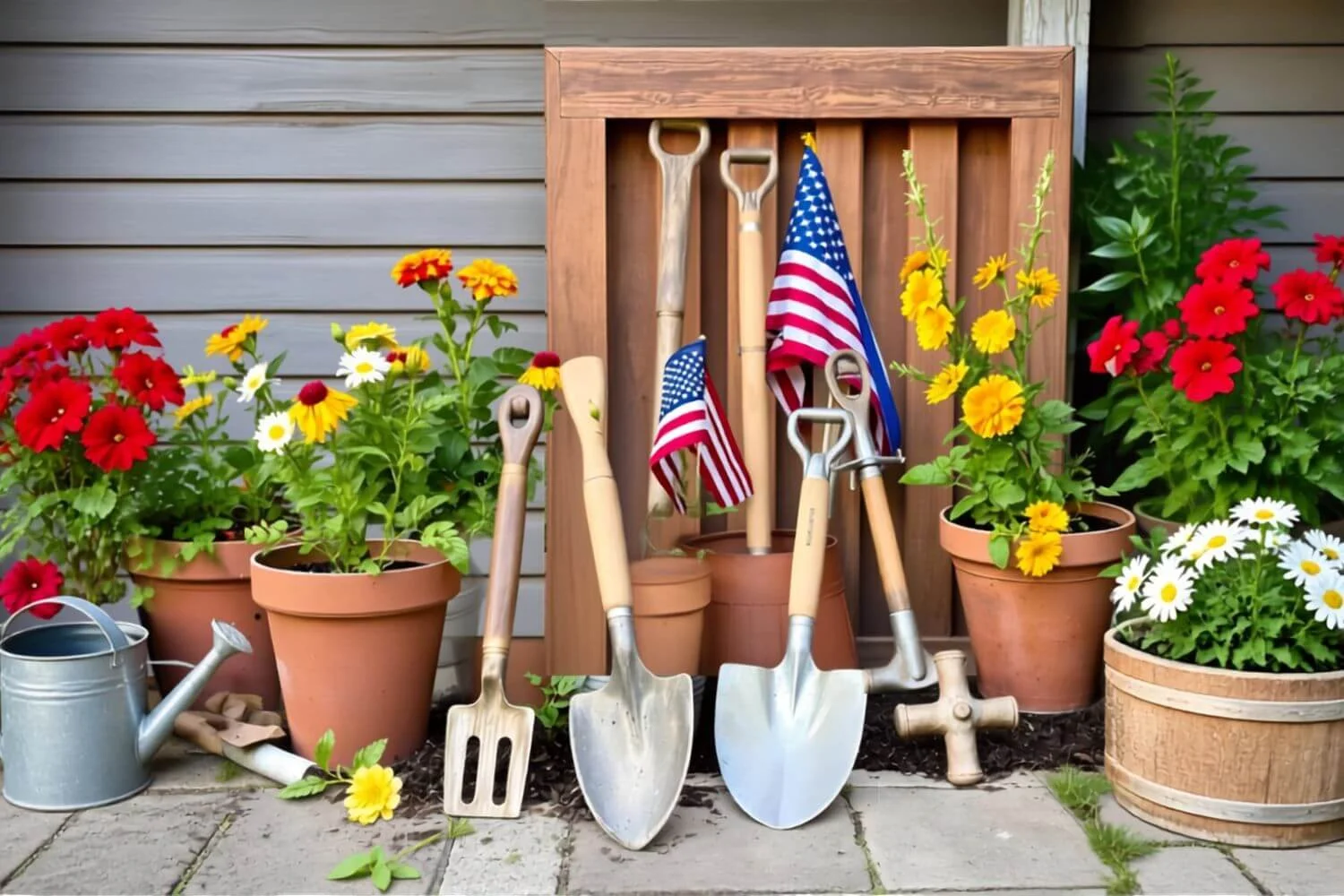
This Fourth of July, I woke up early in West Rogers Park and headed to Social Change's community garden in Englewood, like I do on most Saturdays in the summer. There were weeds to pull, trees to trim, and a few odds and ends that had accumulated over the past week.
I’m originally from Statesboro, GA and I knew Shannon as a child. We reconnected over FaceBook several years ago in what I like to consider as the internet’s version of the town newspaper.
I get up at 6 a.m. on Saturday to head to my favorite “Pilates on steroids class” in the West Loop. It’s raining. I wonder if the plants need water in the community garden in Englewood. The rain stops. The sun comes out. It’s starting to get hot.
In a world where so much feels like it’s unraveling—our communities, institutions, economy, science, medicine, education, even the very fabric of families—it is easy to lose sight of what matters most. The rising tide of hate and division makes advice even more essential: return to simplicity. Focus on what’s meaningful. Celebrate beauty through small things.

I have been busy with clients and volunteering and tend to write when something important comes my way that I feel I need to share—the monthly intention to write ain’t working. I am ready to share observations about the experience of voting and getting out the vote in the latest election.

Founders of nonprofits, or program builders, share a quality in common with successful artists—they first envision their mission and then build their idea into reality.
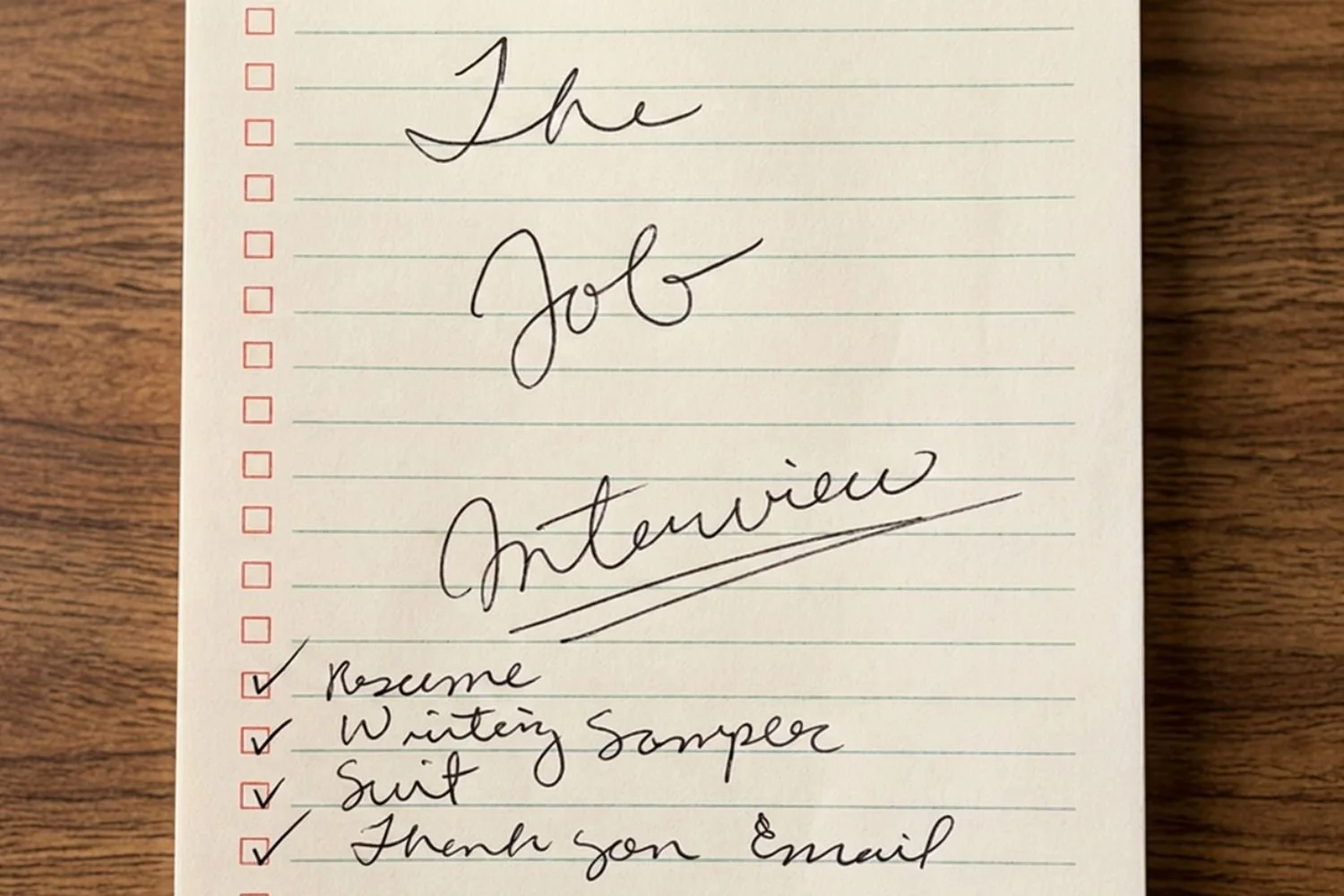
As part of my one-on-one “quiet conversation” series, I am going to focus on one theme a month (or at least I’ll try). This month’s theme is about how to put your best foot forward in applying for a new job.

I have been thinking about this blog as I finish my second year in consulting. On a good note, by deepening relationships with my clients and through volunteer work, I have witnessed the brilliant lightening of energy and support around important missions firsthand.
I am asked all the time, “What do you do?” I do lots of different things and it all focuses on driving mission and building relationships.
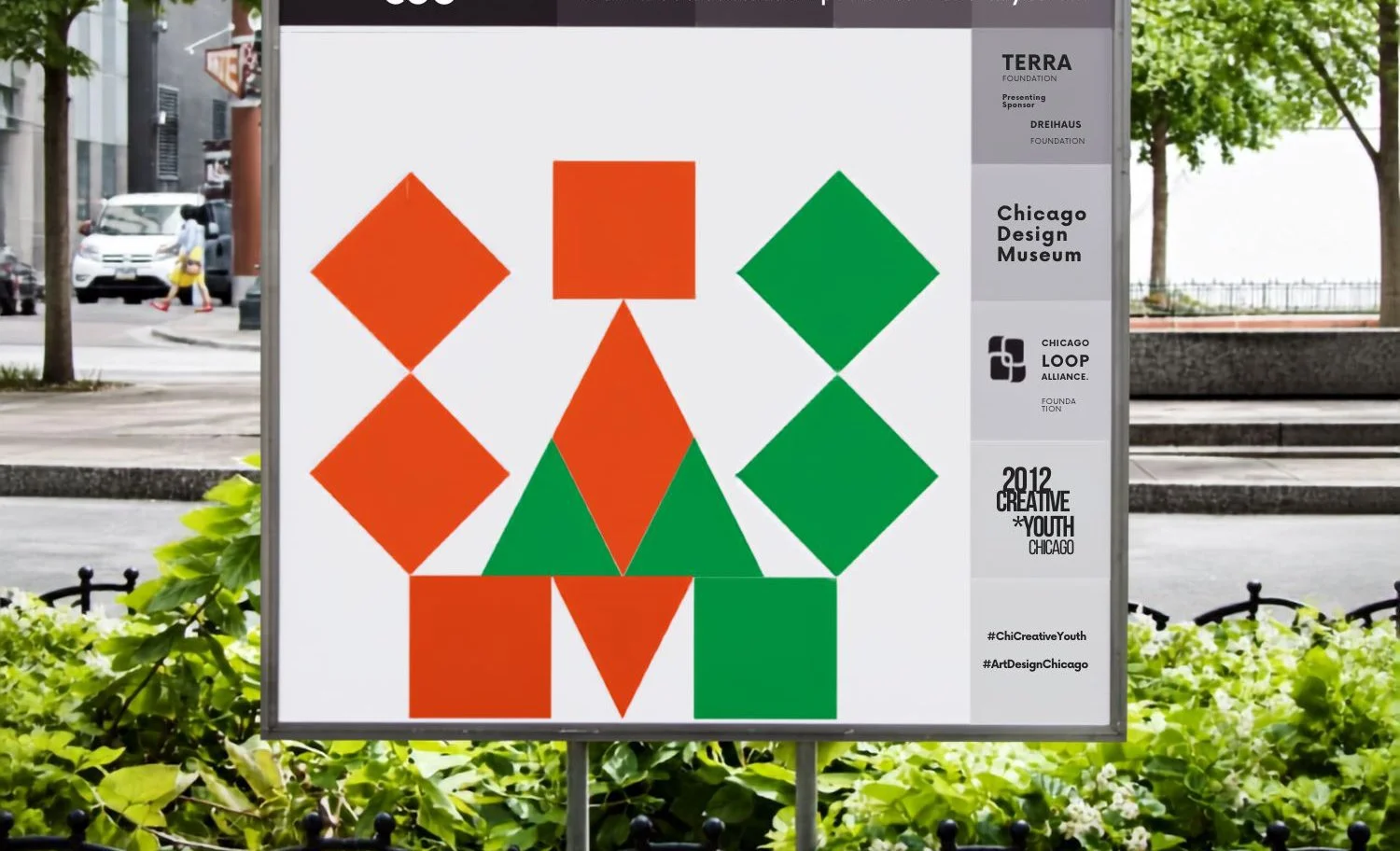
Life is art and everything around you is designed. Design influences how we see the world in ways we don’t think about seamlessly. But, the Design Museum of Chicago (DMoC) gives you that opportunity to see the art, form and function through a new lens. In many ways, DMoC helps us access public art and think about its societal function in our own lives.

As I began this new era of my career last January as a fundraising consultant, I didn’t know where it would lead, how much I would make or what would exactly feed my passion—but I was lucky enough to be able to keep my options open. I’m probably busier now than when I was working a regular office job, but I’m more satisfied by picking and choosing what projects I get to work on both personally and professionally.
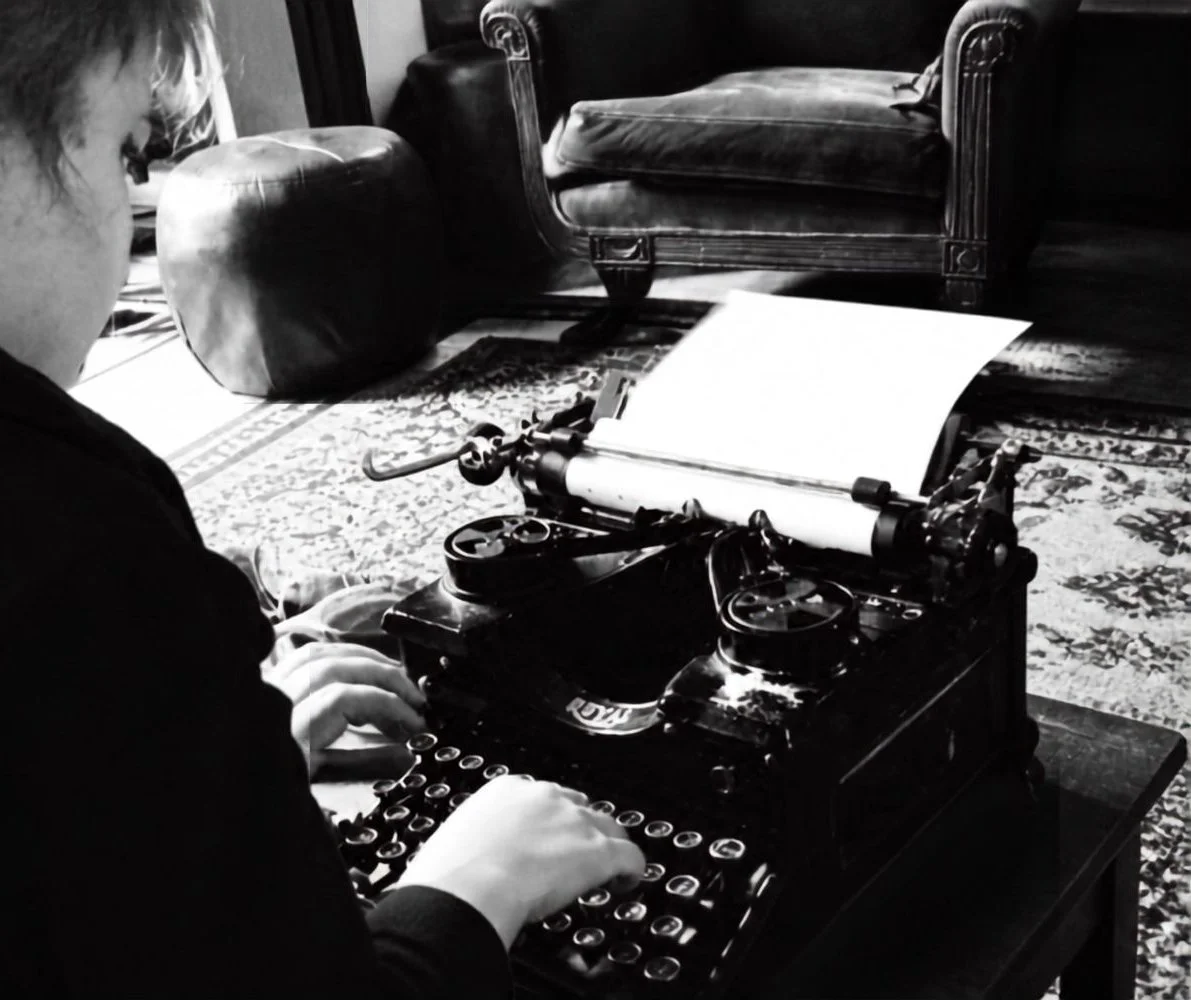
I call art the “last congregation,” by which I mean that it’s a space where we are allowed to spiritually feel without boundaries. I look for artists that create that space and provide emotional engagement. Annie Hex is such an artist. She has intuitively found her voice and helps others find theirs through her words.
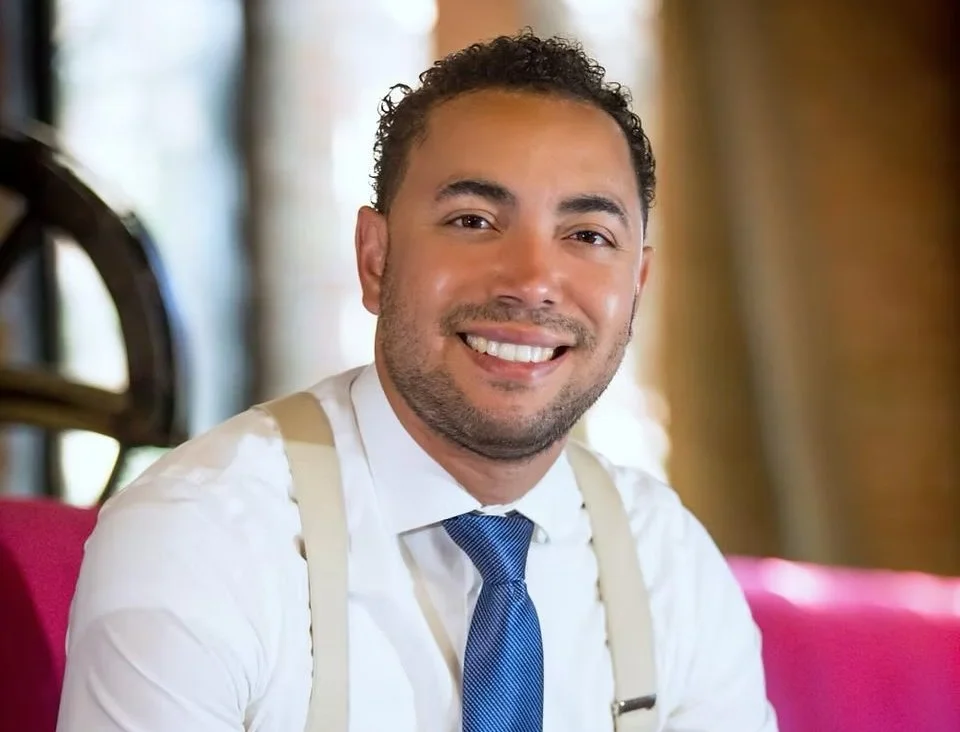
As a special note, I conducted this interview in early June 2022. I met Todd Belcore, Executive Director of Social Change, years ago in Chicago while working in legal aid. He has an uncanny ability to connect with people in any community across the country and has a passion for social justice. Social Change is a dynamic nonprofit that works across the country to bring people together, ensures equal rights and builds communities.
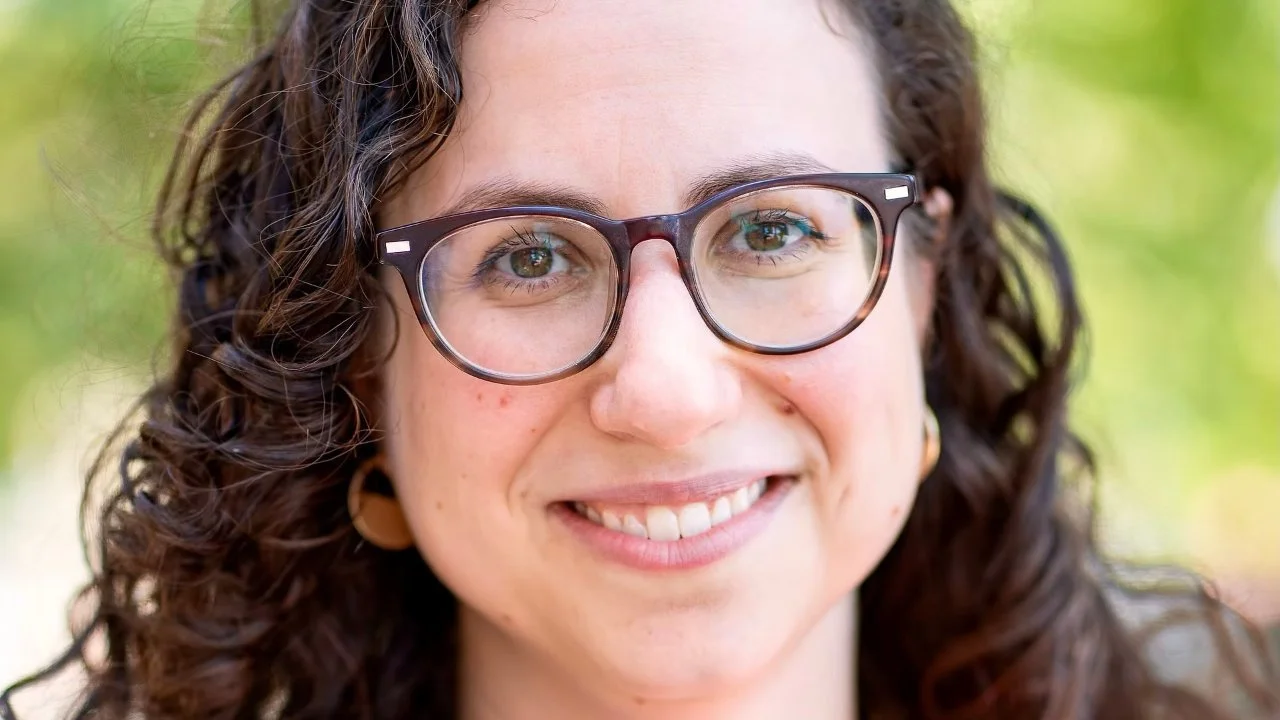
Interest-free lending, considered the highest form of Jewish charity, goes back to Biblical times. So it seems only fitting that Leah Greenblum, the Executive Director of the newly established Jewish Free Loan Chicago, sat down to discuss her mission over bagels, cream cheese and lox at my home. Leah and I originally bonded years ago over our love of nonprofits and social justice.

As a serious voice student in high school, one of the most useful skills I learned was to imagine the muscle connection between my voice and my vocal exercises. When I was able to do this, it meant that I could reach a note or practice my chords accordingly.
If not now, when is the premise and how is the question. This idea occurred to me while I was doing the dishes—a gateway to my creative ideas. With 11 years + one week at CARPLS and five years and seven months at IIT Chicago-Kent College of Law out of a 25+ year career in fundraising, I am a member of the legal services tribe.
It’s a Sunday morning in the beginning of January and I’m working on year-end tax acknowledgments, which I have the wonderful issue of being overwhelmed with at the moment. Thank goodness. And, then I began thinking what it takes for a visionary to make good on the need they see to fill.

My website is a work in progress, just as my consulting business is. Thanks to my daughter who noticed that the template language was showing in the Blog section. As a result, I decided to write my first blog and solve that issue on the website. I welcome a dialogue and this is my personal opinion. You can reach me at tpietr@yahoo.com.